


The Basics of Casino Odds
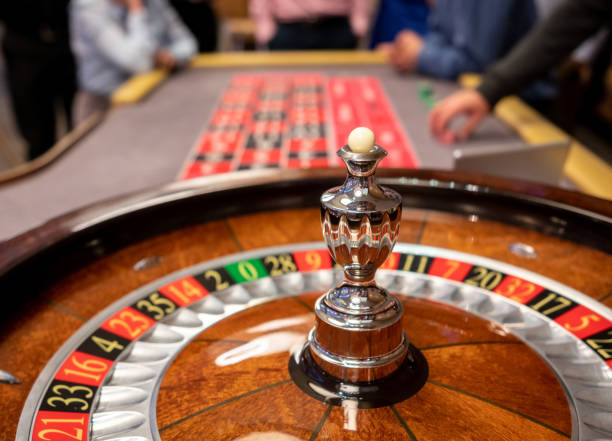
Understanding casino odds is essential for any player who wants to approach gaming strategically. The odds represent the likelihood of a certain outcome in a game compared to the number of possible outcomes. For example, in a simple game of roulette, a player betting on red has a nearly 50/50 chance of winning. However, when the house edge is factored in, this percentage flips slightly in favor of the casino, thereby altering the original odds. This is especially true when considering platforms like 1win , which offer a variety of games that showcase this discrepancy, making the excitement and the risk come into play.
Another key aspect to grasp is that odds can be expressed in various formats: as fractions, decimals, or percentages. Each format conveys the same information, but suits different preferences among players. For instance, odds of 3 to 1 (3:1) indicate that for every three successful outcomes, one loss occurs. Conversely, decimal odds of 4.0 mean that a successful bet would yield a return of four times the stake. This versatility in expressing odds allows players to better gauge their potential winnings depending on their chosen method of understanding.
Lastly, the house edge plays a crucial role in casino odds. It represents the mathematical advantage that a casino has over the players, ensuring that over time, the house profits. Different games have different house edges, significantly affecting the long-term outcomes for players. Slots often have a higher house edge compared to games like blackjack, where strategic play can reduce the edge considerably. Understanding these elements can help players make more informed decisions when placing bets.
The Role of Probability in Casino Games
Probability serves as the backbone of casino games, dictating the outcomes based on mathematical principles. Each game operates under a set probability that determines how often players can expect to win or lose. For example, in a game of blackjack, the likelihood of being dealt a certain hand can be calculated based on the number of remaining cards in the deck. This knowledge can significantly inform a player’s strategy, such as when to hit or stand, ultimately boosting their chances of winning.
Moreover, different games employ varying complexities of probability. Some games, like slot machines, operate on random number generators (RNGs), making it nearly impossible to predict outcomes. On the other hand, games like poker require players to analyze probabilities actively, such as calculating pot odds or implied odds to maximize their returns. This blending of chance and skill in probability makes casino gaming both thrilling and intellectually stimulating.
Additionally, understanding probability allows players to identify the best betting strategies. Knowledge of probabilities enables players to discern which bets offer better odds and which are less favorable. For instance, knowing that the probability of busting in blackjack increases as more high cards are in play can help players adjust their strategy accordingly. This strategic element adds depth to the gaming experience, making probability a vital part of mastering casino games.
The Mathematics Behind House Edge
The house edge is a critical concept that highlights the inherent advantage casinos have over players. It reflects the percentage of each bet that the casino expects to keep over the long run. For example, if a game has a house edge of 5%, the casino expects to win 5% of all wagered amounts. This edge is applied across thousands of games and transactions, which means that over time, the casino will always profit, regardless of short-term player success.
Different games have varying house edges; for instance, in a standard game of American roulette, the house edge is approximately 5.26% due to the presence of both a zero and a double zero. Conversely, a game like baccarat has a significantly lower house edge of around 1.06% when betting on the banker. Players who understand these differences can greatly enhance their chances of success by choosing games with better odds.
Furthermore, the mathematics behind the house edge also involves considering the payout ratios. Many players mistakenly assume that higher payouts mean better odds. However, this is not necessarily the case. For example, while a bet on a long-shot outcome may yield a high payout, the likelihood of that outcome occurring could be significantly lower than a safer bet. Grasping this principle helps players not only understand the games better but also develop strategies that align with their risk tolerance.
Strategies to Minimize Losses
While gambling will always involve an element of chance, players can adopt strategies to minimize losses and maximize potential gains. One effective approach is bankroll management, which involves setting limits on how much money to wager in a session. By doing so, players can protect themselves from significant losses and extend their playtime, allowing for more opportunities to win. Setting a budget and sticking to it is crucial for any responsible gambling approach.
Another strategy is to leverage games with a lower house edge, such as blackjack or certain variations of poker. These games allow for more strategic play and can enhance a player’s odds when proper strategies are employed. Additionally, familiarizing oneself with game rules and optimal strategies can lead to more informed decisions. For instance, knowing when to double down in blackjack can provide a critical advantage and help reduce the house’s edge.
Lastly, taking advantage of promotions or bonuses offered by casinos can also be beneficial. Many casinos offer welcome bonuses, free spins, or loyalty programs. By utilizing these offers, players can extend their gameplay without additional financial risk. However, it’s essential to read the terms and conditions associated with these promotions to understand any wagering requirements that may apply. Maximizing the benefits of these offers can provide a more enjoyable and potentially profitable experience.
Understanding Your Odds Online
As online gambling continues to grow in popularity, understanding casino odds is equally important in the digital realm. Online platforms often provide detailed statistics and odds for various games, which can enhance a player’s decision-making process. Players can analyze these figures to better gauge the potential risks and rewards associated with each game, allowing them to tailor their strategies accordingly. This transparency is a significant advantage for online players compared to traditional casino settings.
Moreover, online casinos utilize advanced algorithms to determine game outcomes. Understanding how these algorithms function can help players make strategic decisions. For instance, many online slot games use RNGs, ensuring that every spin is independent and fair. Knowledge about these mechanics can help set realistic expectations regarding winnings and losses while playing online.
Finally, many online casino websites offer informative resources to help players understand odds and strategies better. Tutorials, articles, and even video guides can enhance a player’s knowledge base. Utilizing these resources can offer players a competitive edge and lead to more informed gameplay, ultimately improving their online gambling experience. The availability of these tools underscores the importance of education in the realm of online gaming.